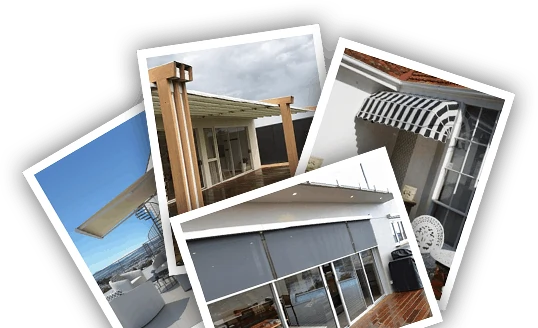
Choosing the right awnings for your home is one of the smartest investments a Melbourne homeowner can make in 2026. With energy costs climbing, outdoor living becoming central to Australian lifestyle, and Melbourne’s weather shifting between harsh UV summers and cool winters, the right awning does far more than add shade. It reduces cooling bills, protects interiors, extends your liveable outdoor area, and lifts the kerb appeal of your property. Yet most homeowners feel overwhelmed by the range of styles, materials, and installation options available. This guide cuts through the confusion.
Why Awnings Matter for Homes Across Melbourne
Melbourne’s climate is genuinely unique. Scorching January afternoons, sudden autumn rain, and cool southerly breezes arriving without warning – no other Australian city demands as much flexibility from outdoor structures. Furthermore, Melbourne homeowners are increasingly outdoor-focused, with alfresco dining and garden entertaining becoming standard rather than occasional.
Awnings address this perfectly. They create a buffer between indoor comfort and outdoor exposure. Consequently, they are among the highest-return additions available to Melbourne homeowners – delivering daily functional value alongside long-term energy savings.
Verified Fact – Department of Energy (US DOE) / Australian Building Codes Board Reference
Properly installed external shade structures – including awnings – can reduce solar heat gain through windows by up to 65% on south-facing glazing and up to 77% on west-facing glazing. This directly reduces the load on cooling systems. Source: energy.gov and the Australian Building Codes Board.
Beyond energy performance, awnings for homes in Melbourne serve a critical UV protection role. Australia has among the highest UV radiation levels globally, and Cancer Council Australia consistently recommends shade structures as a first-line sun protection measure. An awning over your patio or deck shields you and your family during peak UV hours without confining you indoors.
Additionally, well-chosen awnings lift property presentation significantly. Across Melbourne’s competitive real estate market, outdoor living improvements – including patio awnings and outdoor blinds – are regularly cited by property stylists as cost-effective kerb appeal improvements ahead of sale.
Types of Awnings for Houses: A Practical Overview
Not all awnings are equal. Each type suits specific architectural styles, sun orientations, and usage patterns. Understanding the full range of options is essential before making any decision. Melbourne homes span a huge variety of styles – from heritage Victorian terraces in Fitzroy to contemporary flat-roofed homes in Brighton and sprawling acreage properties on the city fringe. Fortunately, the awning industry has evolved to serve them all.
Retractable Awnings
Extend and retract as needed. Perfect for Melbourne’s changeable weather. Available with manual or motorised operation. Best suited to large patio and alfresco areas.
Fixed Awnings
Permanently installed above windows or doors. Provide constant shade without any operation required. Highly durable and low-maintenance for north and west-facing elevations.
Folding Arm Awnings
A popular Melbourne choice. Arms fold back neatly when retracted. No front rail or posts required, making them ideal for unobstructed outdoor areas and contemporary homes.
Patio Awnings
Designed specifically for outdoor entertaining areas. Available in fixed and retractable configurations. Create a defined alfresco zone that extends your indoor living area.
Window Awnings
Smaller awnings fitted above individual windows. Block direct sun before it hits glass, dramatically reducing internal heat build-up without blocking light entirely.
Motorised Awnings
Operated by remote control or smartphone app. Many include wind and sun sensors for automatic adjustment. Excellent for hard-to-reach locations or larger installations.
Custom Awnings
Designed and manufactured specifically for your home. Available in any size, colour, and configuration. Ideal for heritage properties, unusual roof lines, or unique design briefs.
Energy Saving Awnings
Optimised for solar shading performance. Often paired with solar-reflective or high-UV-blocking fabrics. Designed specifically to reduce cooling loads and improve home energy ratings.
Each of these types connects to a specific service offered by Melbourne Awnings. Whether you are exploring retractable awnings, folding arm awnings, or window awnings, the right starting point is understanding which category best matches your home’s orientation and your lifestyle needs. Learn more about awning types and history on Wikipedia.
Retractable vs Fixed Awnings: Which Suits a Melbourne Home?
This is consistently the most common question Melbourne homeowners ask. Both types deliver genuine value. However, they serve different purposes and suit different homes. The right choice depends on your orientation, usage pattern, budget, and how Melbourne’s four-seasons-in-one-day weather affects your property specifically.
Retractable Awnings
- Adjustable shade on demand
- Allows winter sun when retracted
- Suits large patio and alfresco areas
- Available with motorised operation
- Folding arm variants need no posts
- Fabric can be replaced independently
- Slightly higher initial investment
- Requires retraction during strong winds
Fixed Awnings
- Permanent shade with zero operation
- Highly durable in Melbourne weather
- Lower initial investment typically
- Suits windows and smaller openings
- No moving parts to maintain
- Blocks winter sun on north-facing walls
- Aluminium frames resist corrosion
- Custom shapes available for heritage homes
Generally speaking, retractable awnings suit north and west-facing patio areas where seasonal flexibility matters. Fixed awnings, meanwhile, work extremely well above north-facing windows where consistent shade management improves energy performance year-round. For many Melbourne homes, both types are used together – fixed awnings at windows and a retractable folding arm awning over the alfresco.
Importantly, the fixed awnings range at Melbourne Awnings includes custom powder-coated aluminium frames in a wide colour range. Therefore, matching your awning to existing window trims and facade colours is straightforward regardless of your home’s architectural style.
Awning Materials Compared for Australian Conditions
Material selection is arguably the single most important decision in choosing an awning for your home. Melbourne’s UV intensity, occasional hail, coastal salt air in bayside suburbs, and temperature extremes all affect how different materials perform over time. Choosing the wrong fabric or frame material leads to premature fading, structural issues, and unnecessary replacement costs.
| Material | UV Resistance | Lifespan (Approx) | Best Suited For |
| Solution-Dyed Acrylic | Excellent | 10-15 years | All climates. Melbourne’s top choice. |
| Polyester with PVC Coating | Very Good | 8-12 years | High-rain or coastal areas |
| Polycarbonate Sheeting | Good (UV inhibited) | 10-20 years | Fixed awnings over windows |
| Aluminium Slat | N/A (non-fabric) | 20+ years | Low-maintenance fixed shade |
| Canvas (Cotton/Polyester Blend) | Moderate | 5-8 years | Heritage or period homes |
Note: Lifespan figures are approximate and depend on maintenance, orientation, and Melbourne-specific weather exposure.
Solution-dyed acrylic fabric – where colour is woven into the fibre rather than applied to the surface – is consistently the preferred choice for Melbourne homes. Because the pigment runs through the full depth of each thread, colour retention under intense UV is vastly superior to surface-dyed alternatives. Brands like Sunbrella are widely referenced in the Australian shade industry as the benchmark for this category.
Frame Materials: Aluminium vs Steel
Beyond fabric, the frame material determines structural performance. Powder-coated aluminium is the dominant choice across Melbourne for several strong reasons. First, it resists corrosion – critical in bayside Melbourne suburbs from Port Melbourne through to Sandringham. Second, aluminium is lightweight, placing minimal load on wall fixings. Third, it accepts custom powder coat colours without limitation.
Steel frames offer greater strength for very large spans but require more vigilant corrosion management in Melbourne’s coastal and high-humidity zones. For most residential applications, aluminium remains the clear preference among professional Melbourne installers.
Key Material Takeaways
- Choose solution-dyed acrylic fabric for Melbourne’s UV intensity
- Powder-coated aluminium frames suit all Melbourne suburbs including coastal areas
- Polycarbonate is excellent for fixed window awnings needing rain protection
- Always confirm UV-blocking rating and colour fastness warranty before purchasing
- Avoid untreated canvas in high-UV Melbourne environments without regular maintenance
Energy Saving Awnings and Their Real Impact on Melbourne Homes
Energy efficiency is no longer a secondary consideration for Melbourne homeowners – it sits front and centre in purchasing decisions. Accordingly, energy saving awnings have become one of the fastest-growing segments in the Australian shade industry. The principle is straightforward: block solar heat before it enters through your glass, and your air conditioner works far less.
The data is clear. External shading – in particular awnings positioned outside the glazing – dramatically outperforms internal solutions. Heat that enters through glass is already inside your home by the time internal blinds attempt to reflect it. An awning stops it before it enters. This is a fundamental principle of passive solar design confirmed by Australia’s Your Home resource.
Furthermore, in Melbourne’s mild winters, retractable awnings deliver a double efficiency benefit. During summer, they extend to block heat. During winter, they retract completely, allowing low-angle sun to warm internal spaces through passive solar gain. No internal blind, curtain, or shade film delivers this seasonal flexibility.
Selecting energy saving awnings for your home in Melbourne also aligns with the NatHERS (Nationwide House Energy Rating Scheme) framework, which increasingly recognises external shading as a positive contributor to residential energy star ratings. If you are renovating or building, incorporating external awnings into your design documentation can contribute meaningfully to your energy rating outcome.
Awnings for Patios and Windows Across Melbourne Homes
Patio Awnings: Creating Usable Outdoor Space Year-Round
Melbourne’s outdoor lifestyle depends on having genuinely usable alfresco areas. However, without shade, a patio becomes uninhabitable on summer afternoons, and autumn rain sends everyone back inside. Patio awnings solve both problems simultaneously. They extend your outdoor season by weeks in both directions – creating a protected, comfortable space that works morning to evening rather than only on perfect-weather days.
For Melbourne homes with north or west-facing alfresco areas, a retractable folding arm awning is typically the ideal solution. The arms extend the awning without requiring supporting posts, keeping the outdoor area completely open and unobstructed underneath. Retract the awning when a cool southerly arrives, and extend it again once the sun returns – often within the same afternoon in Melbourne.
Window Awnings: Blocking Heat at the Source
Window awnings represent one of the most cost-effective awning investments available to Melbourne homeowners. Rather than shading a large outdoor area, they target specific windows – typically those on north, west, and east-facing walls – blocking direct sunlight before it reaches the glass itself. The result is a measurable reduction in room temperature and air conditioning demand.
Traditional fixed window awnings with fabric, polycarbonate, or aluminium slat covering remain extremely popular across Melbourne’s older housing stock. Beyond function, they also contribute significantly to streetscape character, particularly on period homes in suburbs like Hawthorn, Camberwell, and St Kilda where awnings have historical architectural relevance.
For contemporary homes, modern window awning designs in powder-coated aluminium integrate cleanly with flat-fronted facades. Additionally, retractable cassette-style window awnings allow complete retraction when shade is not needed.
Custom and Motorised Awnings for Houses in Melbourne
Why Custom Awnings Are Worth Considering
Off-the-shelf awnings simply do not fit every Melbourne home. Heritage Victorian terraces, Edwardian bungalows, and architect-designed contemporary homes all present unique challenges for standard awning sizing and configurations. Custom awnings address this precisely – manufactured to your exact measurements, in your chosen colour and fabric, with configuration details that match your specific architectural context.
Custom awnings are also the solution when standard arm lengths or projection depths are insufficient for your patio or outdoor area. Furthermore, they allow fabric pattern matching to existing outdoor furniture or home colour schemes – a detail that matters enormously for properties where outdoor presentation is a priority.
Motorised Awnings: Convenience Meets Intelligence
Motorised awnings have moved well beyond a luxury category. Today, they represent a genuinely practical choice for any awning wider than approximately four metres, any installation above ground floor level, and any homeowner who values hands-free operation. Moreover, modern motorised systems integrate with home automation platforms, allowing awning control through smartphone apps or voice assistants.
Wind sensors are arguably the most valuable feature available on motorised awnings for Melbourne homes. Melbourne’s notorious gusty change events – where wind can shift from near-calm to strong gusts within minutes – can catch manually operated awnings unretracted. A wind sensor detects dangerous gusts and retracts the awning automatically, protecting both the awning and the wall it is fixed to.
Sun sensors add a further layer of intelligence. They extend the awning automatically when solar intensity reaches a set threshold – so your outdoor area is shaded before you even notice the sun has shifted. Additionally, timer-based scheduling allows the awning to retract after sunset automatically, removing any need for manual intervention.
Home Awning Cost Guide for Melbourne in 2026
Important Pricing Disclaimer
All price ranges below reflect general market conditions as of mid-2026 and are provided as a general guide only. Actual costs vary based on awning type, size, fabric choice, motorisation, site-specific installation requirements, and current material pricing. Always request a current, itemised quote from your installer before making purchasing decisions. Melbourne Awnings provides free consultations and on-site quotes.
Home awning costs in Melbourne vary considerably depending on awning type, size, material quality, and whether motorisation is included. Generally, the awning market spans a wide range – from compact fixed window awnings at the more accessible end through to large custom motorised folding arm systems at premium investment levels.
Indicative Price Ranges – Mid 2026 (Melbourne, Installed)
- Fixed window awning (single window, fabric/polycarbonate): Approx. $600 – $1,400
- Patio fixed awning (mid-size, aluminium frame): Approx. $1,200 – $2,800
- Manual retractable folding arm awning (3-4m wide): Approx. $1,800 – $3,500
- Motorised retractable awning (4-6m wide, standard): Approx. $3,000 – $5,500+
- Large custom motorised awning (6m+ wide, premium fabric): Approx. $5,000 – $10,000+
- Outdoor blind additions (per blind, installed): Approx. $400 – $1,200
Prices are estimates only and exclude GST where applicable. Obtain a site-specific quote for accurate pricing.
What Drives Awning Cost in Melbourne?
Size is the primary cost driver. Larger awnings require more fabric, heavier frames, more robust fixing hardware, and longer installation time. Consequently, per-square-metre cost tends to decrease at larger sizes while total cost increases. Motorisation adds a meaningful premium but delivers ongoing convenience that most Melbourne homeowners consider excellent value over a 10-15 year lifespan.
Fabric quality significantly affects both cost and long-term value. Solution-dyed acrylic from premium manufacturers costs more upfront but retains colour and structural integrity far longer than economy alternatives – reducing replacement frequency and overall lifecycle cost. Additionally, custom powder-coat colours on frames carry a premium over standard colour ranges.
Site-specific factors also influence installation cost. Wall construction (brick versus timber versus rendered lightweight), second-storey access, and heritage protection overlays in some Melbourne council zones all affect installation complexity and therefore total cost. A professional Melbourne awning installer will assess these factors during an on-site consultation.
Choosing the Right Awning: A Step-by-Step Process
Selecting the best awning for your Melbourne home need not be overwhelming. Working through a structured process leads to a confident decision that serves your home well for over a decade. Below is the process professional Melbourne awning consultants typically follow with new clients.
Identify Your Primary Need
Start by clarifying whether you primarily need shade, weather protection, energy efficiency, or outdoor space extension. Most awnings deliver several of these benefits. However, knowing your priority narrows the type selection immediately.
Assess Your Home’s Orientation
North-facing areas need shading for most of the day. West-facing walls receive intense afternoon sun. East-facing windows capture morning sun. South-facing areas rarely need sun shading but may benefit from rain protection. Melbourne’s orientation patterns are well-documented in Australia’s passive design guidelines.
Choose Your Awning Type
Match the awning type to your need and space. Large patio areas generally suit retractable folding arm awnings. Windows suit fixed or cassette-style awnings. Narrow verandahs suit fixed patio awnings. Complex shapes suit custom designs.
Select Your Material and Colour
Choose solution-dyed acrylic for fabric awnings. Select powder-coated aluminium for frames. Then choose colours that complement your home’s exterior palette. Visit a display centre to assess fabric samples in natural daylight before committing.
Decide on Manual or Motorised Operation
For awnings under three metres wide, manual operation is entirely practical. Beyond four metres, motorisation becomes the recommended choice. Wind sensors are strongly recommended for Melbourne installations regardless of awning size.
Obtain a Site-Specific Quote and Installation Assessment
Always have a professional installer visit your home before finalising your decision. Wall construction, ceiling heights, obstruction clearances, and council requirements all affect the final specification. Melbourne Awnings provides free on-site consultations throughout Melbourne.
Professional Awning Installation and Ongoing Maintenance
Why Professional Installation Matters
Awnings carry substantial wind load during Melbourne’s gusty weather events. Incorrect wall fixings, inadequate bracket selection, or failure to account for wall construction type can result in catastrophic failure during strong winds – damaging both the awning and the building structure. Professional installation by a licensed Melbourne awning installer eliminates these risks.
Licensed installers understand which fixing systems suit brick veneer versus double-brick versus rendered lightweight construction – all of which appear across Melbourne’s diverse housing stock. Furthermore, they carry appropriate liability insurance and typically back their installation workmanship with warranty coverage.
For heritage properties in Melbourne’s protected zones, some local councils require documentation or approval for additions to building facades. A professional installer familiar with Melbourne’s planning environment will identify these requirements upfront, avoiding compliance issues post-installation.
Awning Maintenance Schedule for Melbourne Homes
Regular maintenance significantly extends awning lifespan and preserves appearance. The following schedule suits most Melbourne installations effectively.
- Monthly: Visually inspect fabric for tears, seam separation, or staining. Check that all mechanical components move freely.
- Quarterly: Clean fabric with a soft brush and mild soapy water. Rinse thoroughly and allow to dry fully before retracting. Never store awning fabric while damp.
- Bi-annually: Lubricate arm joints and roller mechanism with appropriate lubricant. Check all wall bracket fixings for tightness. Inspect for early corrosion on any exposed metal components.
- Annually: Have a professional service check all motorised components, sensor calibration, and structural fixings. Replace worn parts before failure occurs.
- Storm season preparation: Before Melbourne’s windiest months, confirm all motorised sensor thresholds are correctly calibrated. Always retract manual awnings when storms are forecast.
Verified Fact – Choice Australia and Industry Best Practice
Fabric awnings should never be stored in a wet or damp state as this promotes mould and mildew growth, degrading both fabric appearance and structural integrity. Allow fabric to dry completely before retracting. Source: General consensus from Australian awning industry professionals and Choice Australia consumer guidance on outdoor product maintenance.
Awning fabrics in Melbourne’s UV-intensive environment benefit from UV-protectant spray application after each thorough clean. This is particularly valuable for solution-dyed acrylic fabrics in lighter colours where UV degradation is most visible over time. Your installer will advise on the appropriate product for your specific fabric.
Frequently Asked Questions About Awnings for Homes
Awnings attach directly to an external building wall and project outward using a fixed or retractable frame. Canopies are typically freestanding structures supported by their own posts. Awnings suit windows, doors, and patio areas directly adjacent to a building, whereas canopies suit open outdoor areas where wall attachment is not practical.
The primary purpose is to block direct solar radiation from entering a building through windows or from overheating outdoor living areas. Awnings also provide rain protection, reduce internal temperatures, lower cooling energy demand, and improve the comfort and usability of outdoor spaces. In Melbourne, UV protection is a particularly critical function.
An awning typically appears as a roof-like projection extending outward from a building’s external wall above a window, door, or outdoor area. It consists of a frame (usually aluminium or steel) covered with fabric, polycarbonate, or aluminium slats. Retractable versions fold back against the wall when not in use. Fixed versions remain permanently extended. Styles range from traditional striped fabric to modern flat-profile aluminium designs.
An awning is a secondary covering or shade structure attached to the exterior of a building. It projects outward from the wall to provide shade, weather protection, and visual interest to windows, doors, and outdoor areas. According to Wikipedia, awnings have been used on buildings for centuries and today appear in a wide variety of materials, styles, and operational configurations.
No product is without trade-offs. Fixed awnings can block beneficial winter sun on north-facing walls if positioned without considering seasonal sun angles. Fabric awnings require periodic cleaning and eventual replacement – typically every 10 to 15 years for quality materials. Retractable awnings must be retracted during strong winds. Additionally, some Melbourne council zones may require planning approval for facade additions on heritage-listed properties.
As of mid-2026, installed awning costs in Melbourne range broadly from approximately $600 for a basic fixed window awning to $10,000 or more for large custom motorised systems. Mid-range retractable patio awnings typically fall between $2,000 and $5,000 installed. Always obtain a site-specific quote as costs vary significantly by size, material, and installation complexity.
Both serve valuable purposes. Awnings install faster, cost less, and retractable versions offer seasonal flexibility that no fixed pergola can match. Pergolas create a more permanent architectural feature but require council approval in many Melbourne council zones and involve significantly higher construction costs. For pure shade and outdoor comfort, a quality motorised awning typically delivers superior value per dollar invested.
Awning use declined significantly in the mid-to-late 20th century as residential air conditioning became affordable and widespread across Australia. Architects also moved toward large expanses of glazing in contemporary design without integrating shade solutions. However, rising energy costs, increased sustainability awareness, and Melbourne’s outdoor lifestyle culture have driven a strong revival. Awnings are now one of the fastest-growing segments within the Australian home improvement industry.
A gazebo provides shade in a general outdoor area but cannot replace a wall-mounted awning’s function. Awnings block solar radiation from entering a building through its windows – a function a freestanding gazebo simply cannot perform. For outdoor shade without a building wall, a gazebo or shade sail may supplement an awning solution, but they serve fundamentally different purposes.
The main types include: retractable awnings, fixed awnings, folding arm awnings, patio awnings, window awnings, motorised awnings, custom awnings, and energy saving awnings. Each suits different applications, architectural styles, and performance requirements. Melbourne Awnings offers the full range across all these categories.
Quality awnings with solution-dyed acrylic fabric and powder-coated aluminium frames typically perform well for 10 to 15 years in Melbourne conditions with regular maintenance. Economy fabrics may require replacement sooner. Aluminium frame components often outlast the fabric significantly. Lifespan depends on sun exposure, cleaning frequency, and whether the awning is retracted during storms.
Yes. Well-selected, professionally installed awnings improve kerb appeal, extend outdoor living areas, and demonstrate energy efficiency improvements – all factors that enhance Melbourne property presentation. Real estate agents and property stylists in Melbourne commonly recommend awning and outdoor blind installations ahead of sale as cost-effective presentation improvements.
For awnings wider than four metres, for second-storey or hard-to-reach installations, and for homeowners with mobility considerations, motorised awnings deliver excellent practical value. Melbourne’s rapid weather changes make wind sensors particularly valuable – automatically retracting the awning before gusty conditions cause damage. Over a 10 to 15 year lifespan, the convenience premium is modest relative to total ownership cost.
Most residential awning installations in Melbourne do not require planning permits under standard exemptions. However, heritage overlay properties and some apartment buildings may require council or owners corporation approval. Always confirm requirements with your local Melbourne council before proceeding with heritage or complex installations. Your professional installer should assist with this process.
Final Thoughts: Getting the Right Awnings for Your Home in Melbourne
The decision to add awnings to your home is one of the most practical and rewarding investments available to Melbourne homeowners in 2026. Whether you are focused on reducing energy costs, extending your outdoor living season, protecting your interiors from Melbourne’s intense UV, or simply improving your home’s streetscape appeal – awnings deliver on every count.
The key is making an informed choice. Understanding the differences between retractable and fixed options, selecting the right material for Melbourne’s conditions, considering motorisation for larger installations, and working with a professional installer ensures your awning performs beautifully for well over a decade.
Melbourne Awnings has been helping Melbourne homeowners find exactly the right solution for their homes across every suburb and every architectural style. Their Gardenvale display centre lets you see, touch, and compare every awning type in person before committing – a significant advantage over online-only purchasing.