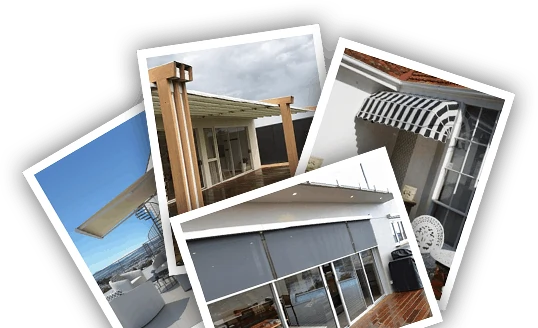
Choosing the right outdoor awnings for your Melbourne home is genuinely one of those decisions that affects daily life. Whether you have a north-facing deck, an alfresco dining area, or a south-side patio that still somehow cooks in summer, the wrong choice wastes money. The right choice transforms your outdoor space. This guide cuts through the confusion and matches each awning type to the spaces, climates, and lifestyles that Melbourne actually throws at homeowners.
Melbourne’s weather is genuinely unpredictable. A bright Saturday morning can turn into a gale by 2pm. Summers push UV index readings into the extreme category before 10am. That context matters enormously when selecting outdoor awnings for decks, patios, or alfresco dining areas. Moreover, not every awning type performs equally across every space. So let’s sort that out properly.
| 500+ Outdoor Awnings Installed Across Melbourne | 30+ Years Serving Melbourne Homeowners | 100% Custom-Built Solutions for Melbourne Homes | 5 Yr Product and Installation Warranty |
Verified Fact: According to the Australian Government’s YourHome design guide, external shading devices such as awnings can reduce solar heat gain through windows by up to 90% when correctly positioned. This makes outdoor awnings one of the most cost-effective passive cooling strategies available to Australian homeowners. Source: yourhome.gov.au
Why Melbourne Homeowners Cannot Afford to Ignore Outdoor Shading
While northern Australian cities sit closer to the equator and experience high UV levels year-round, Melbourne’s summer UV index still regularly spikes into the extreme danger zone. The Bureau of Meteorology regularly logs UV index levels above 11 — classified as Extreme — throughout December, January, and February. Prolonged outdoor exposure under those conditions carries real health risks.
Beyond health, Melbourne homes with unshaded north-facing windows absorb massive amounts of solar heat. That drives up energy bills. Furthermore, alfresco areas without shade become unusable for large portions of the year. So the case for outdoor awnings here is not aesthetic — it is practical and financial.
Additionally, Melbourne’s outdoor lifestyle culture makes alfresco living genuinely important to property values. Buyers consistently rate covered outdoor areas as a top-five feature. Therefore, investing in the right outdoor awning solution pays dividends both immediately and at resale.
The Main Types of Outdoor Awnings Explained for Melbourne Spaces
There are several distinct awning categories available through Melbourne Awnings. Each type suits different structural situations, sun orientations, and lifestyle needs. Understanding the differences first saves significant money and frustration later.
Folding Arm Awnings for Open Decks and Alfresco Areas
The folding arm awning is Melbourne’s most popular outdoor awning solution for good reason. It extends horizontally over decks and alfresco areas without requiring posts or columns. The fabric arms fold neatly when retracted, leaving the space completely open.
This design suits north and west-facing spaces brilliantly. Those orientations receive the harshest afternoon sun in Melbourne. A folding arm awning intercepts that heat before it reaches your indoor glazing, reducing internal temperatures noticeably.
Furthermore, folding arm awnings pair naturally with motorisation. Wind sensors retract the awning automatically during sudden Melbourne gusts. That protection matters here — afternoon wind changes are genuinely part of Melbourne’s summer pattern.
Canopy Awnings for Entryways and Window Projections
Canopy awnings project outward from a wall at a fixed angle. They cover doorways, ground-floor windows, and narrow verandah sections. Their structure is simple — a frame, a slope, and a fabric skin — which makes them durable and low-maintenance.
Melbourne homeowners often use canopy awnings above rear kitchen doors and outdoor dining entries. They provide constant shade without needing adjustment. However, they cannot retract. So consider your space carefully before committing to a fixed solution.
Drop Arm and Window Awnings for Vertical Sun Control
Drop arm awnings and window awnings address a different problem. Rather than shading horizontal outdoor areas, they block low-angle sun through vertical windows and glazed doors. Melbourne’s winter sun sits low on the horizon. That creates significant glare inside homes, particularly in north and west-facing living rooms.
Drop arm awnings angle outward and downward simultaneously. This allows air circulation while blocking direct sun. Window awnings project outward above the glass plane and shade the window from above. Both solutions reduce cooling loads significantly during Melbourne summers.
Pergola Systems and Retractable Sun Roof Options
Outdoor pergola systems and retractable sun roof systems represent the premium end of outdoor shading. They create fully covered outdoor rooms with structural permanence. Melbourne homeowners using these systems report year-round use of alfresco spaces that were previously seasonal.
Retractable pergola roofs open on clear days and close during rain or intense heat. Motorised versions manage this automatically. Combined with sunblinds or sunscreen blinds on the sides, they effectively extend your home’s liveable floor area.
Sunscreen Blinds and Mesh Blinds for Glare Control
Sunscreen mesh blinds offer a different kind of protection. Rather than blocking all light, they filter it. High-openness mesh fabrics reduce glare while maintaining outward views. Tighter weaves block more UV but reduce visibility.
Melbourne alfresco areas facing gardens benefit particularly from this solution. Homeowners keep the view while eliminating harsh afternoon glare. These blinds also pair well with folding arm awnings on pergola side openings.
Retractable vs Fixed Outdoor Awnings in Melbourne’s Climate
This comparison generates more questions on Melbourne home improvement forums than almost any other outdoor shading topic. The short answer: retractable awnings suit Melbourne better for most applications. Here’s why.
Melbourne’s weather changes direction rapidly. A still, hot morning can escalate to a 40-knot southerly change by mid-afternoon. Fixed awnings cannot respond to that shift. They take the full force of unexpected wind events. Over time, that stresses fabric and frame connections significantly.
Retractable systems — particularly motorised folding arm awnings with wind sensors — handle that challenge elegantly. The sensor detects wind speed above a set threshold and retracts the awning automatically. Your fabric and frame stay protected without any manual action required.
However, fixed awnings do have genuine advantages. They require zero operational input. They typically cost less upfront. For very sheltered spaces — such as a south-facing patio protected by walls on three sides — a fixed canopy awning may outperform a retractable system over the long term due to its simpler mechanics.
| Feature | Retractable Awning | Fixed Awning |
|---|---|---|
| Adjustable coverage | Yes — fully adjustable | No — permanent coverage |
| Wind response | Retracts in high wind (with sensor) | Exposed to full wind force |
| Motorisation option | Yes — Somfy, Becker, Alpha | Not applicable |
| Maintenance demand | Moderate — fabric and mechanism | Low — fabric only |
| Upfront cost | Higher (especially motorised) | Generally lower |
| Best Melbourne use case | North/west decks, alfresco areas | Sheltered entries, south walls |
| Lifespan (quality build) | 10 to 15+ years | 10 to 15+ years |
Motorised Outdoor Awnings: Are They Worth It in Melbourne?
Honestly, yes — for most Melbourne homes. The convenience factor alone justifies the cost for many homeowners. However, the weather protection angle is the more compelling argument here.
Melbourne Awnings installs motorisation systems from Somfy, Becker, and Alpha Motors — premium European brands with proven reliability in Australian conditions. Somfy’s wind and sun sensors are particularly popular. They integrate with smart home systems and allow app-based control.
Consider this scenario: you extend your awning at 11am before heading out. By 2pm, a northerly builds unexpectedly. Without a sensor, that awning flaps under load until you return. With a Somfy wind sensor, it retracts at the preset threshold automatically. That one event alone could justify the motorisation cost by avoiding fabric or frame damage.
Furthermore, motorised awnings see significantly more daily use than manual ones. Research from European awning industry bodies consistently shows this pattern. Ease of use drives frequency of use. More use means better return on your investment.
Verified Fact: Somfy is the world’s leading motorisation manufacturer for awnings and exterior solar protection, with operations in over 58 countries. Their wind and sun sensors are tested to international standards. Source: somfy.com.au
Outdoor Awning Fabrics: What Actually Works in Melbourne
Fabric choice determines UV protection, durability, colour retention, and weather resistance. This decision deserves more attention than most Melbourne homeowners give it. The awning fabrics available through Melbourne Awnings cover the full spectrum of performance needs.
Solution-Dyed Acrylic
This is the gold standard for outdoor awning fabric types in Australia. The colour runs through the entire fibre rather than sitting on the surface. Consequently, UV exposure does not bleach or fade the fabric over time as it would with surface-printed alternatives. Brands such as Sunbrella fall into this category and carry up to 10-year fade warranties.
PVC-Coated Polyester
This fabric offers excellent rain resistance and is particularly suited to canopy and fixed awning applications. It cleans easily. However, it traps heat more readily than acrylic and lacks the breathability of woven fabrics. Therefore, it works best in sheltered applications rather than open alfresco covers.
Sunscreen Mesh Fabric
Sunscreen mesh balances UV blockage with airflow. Openness factors range from around 1% to 10%. Tighter weaves (1-3% openness) block more UV but reduce airflow and outward visibility. Wider weaves (5-10% openness) maintain views and ventilation while still filtering significant UV. Melbourne homeowners with garden-facing alfresco spaces consistently prefer this fabric type for its visual openness.
Outdoor Awning Cost Guide for Melbourne Homeowners
Cost is inevitably the first question Melbourne homeowners ask. Here is an honest breakdown. Prices vary based on size, fabric grade, frame material, and motorisation. These figures represent approximate supply-and-install ranges for Melbourne in 2026.
| Awning Type | Approx. Cost Range (Supply and Install) | Key Variables |
|---|---|---|
| Window Awning (single window) | $800 — $1,800 | Width, fabric grade |
| Canopy Awning (entry or patio) | $1,200 — $3,500 | Span, fabric, frame finish |
| Folding Arm Awning (manual) | $2,000 — $4,500 | Width, projection, fabric |
| Folding Arm Awning (motorised) | $3,500 — $7,000+ | Motor brand, sensor kit, size |
| Retractable Pergola / Sun Roof | $6,000 — $20,000+ | Structure size, motorisation, blinds |
| Sunscreen Blinds (per drop) | $600 — $2,500 | Drop height, width, motorisation |
These are indicative ranges only. Custom sizing, heritage home requirements, and complex installation conditions affect final pricing. Contact Melbourne Awnings directly for a tailored quote specific to your property.
How to Match Your Outdoor Awning to Your Melbourne Space
Different spaces call for different solutions. Here is a practical matching guide based on common Melbourne home configurations.
North-Facing Deck or Alfresco
A north-facing alfresco receives direct overhead sun throughout the day in Melbourne. A folding arm awning with a wide projection handles this well. Motorise it with a sun sensor so it extends automatically on bright mornings without manual operation.
West-Facing Patio
West-facing spaces suffer the harshest conditions. Melbourne’s afternoon sun in the west is intense, low-angle, and prolonged. Combine a folding arm awning with sunscreen side blinds to block the raking afternoon light that a flat awning alone cannot fully address.
East-Facing Courtyard
East-facing courtyards receive morning sun. Canopy awnings work well here because morning light is less intense and the fixed angle suits the sun’s trajectory. Alternatively, a retractable folding arm awning allows flexibility across the day.
Covered Pergola Area
Existing pergola structures benefit most from retractable roof systems combined with side sunscreen blinds. This creates a genuinely all-weather outdoor room. Melbourne homeowners report using these spaces through all four seasons with this setup.
Window and Door Shading
North and west-facing windows driving heat gain into living areas benefit from drop arm awnings or fixed window awnings. These reduce solar heat entry at the source, keeping interiors cooler without relying solely on air conditioning.
Installation and What to Expect from the Process in Melbourne
Professional installation matters more than most homeowners realise. Incorrectly mounted awnings suffer premature failure, void manufacturer warranties, and can cause structural damage to wall fixings during wind events. This is especially true in older Melbourne brick-veneer and rendered-brick homes where wall cavities and ties require specialist assessment before mounting.
Melbourne Awnings handles the entire process from measure to installation. The team assesses wall construction, selects appropriate fixings, and installs systems to manufacturer specifications. Custom fabrication ensures every awning fits the exact dimensions of your space — not an approximate size from a warehouse shelf.
Furthermore, post-installation support matters. If a fabric needs replacement after a storm event or a mechanism requires servicing, a local Melbourne team responds faster than interstate suppliers. That local accountability is a genuine advantage of working with an established Melbourne business.
Melbourne’s Alfresco Culture and the Rise of Outdoor Awnings
Melbourne’s outdoor dining and alfresco living culture has been growing steadily. Post-pandemic renovation trends accelerated this dramatically, with homeowners investing heavily in outdoor living improvements. Outdoor awnings for decks and patios emerged as one of the most popular renovation categories across Melbourne suburbs.
This cultural shift has also changed buyer expectations in the property market. Real estate agents across Melbourne’s inner and middle ring suburbs consistently note that covered alfresco areas with quality shading solutions attract stronger buyer interest. An outdoor awning for a deck is no longer a luxury — it has become part of the expected outdoor living package for Melbourne properties.
Additionally, Melbourne’s growing interest in sustainable living aligns with outdoor awning benefits. Reducing air conditioning reliance through passive shading contributes directly to lower household carbon footprints. That resonates strongly with Melbourne’s environmentally conscious homeowner demographic.
“Great service from Ivan at Melbourne Awnings on our pergola shade. Highly recommended!”
— Robert Begg, 05/01/2021
Maintaining Your Outdoor Awning Through Melbourne’s Seasons
Proper maintenance extends awning lifespan significantly. Melbourne’s weather creates specific maintenance challenges. Salt air from Port Phillip Bay affects coastal suburb homes. Summer dust storms deposit grime into fabric weaves. Winter damp encourages mould if awnings are rolled up while wet.
Follow these maintenance practices to protect your investment:
- Clean fabric with a soft brush and mild soap solution every three to four months.
- Always allow fabric to dry completely before retracting — retract damp fabric only if unavoidable.
- Retract awnings during severe weather events even if wind sensors are fitted.
- Inspect frame connections and arm hinges annually for signs of wear or corrosion.
- Lubricate folding arm mechanisms with a silicone-based lubricant annually.
- Check motorisation cabling and sensor connections every second year or after major storm events.
- Store a manual override handle for motorised systems in a known location.
Following these steps consistently extends awning life well beyond the minimum warranty period. Quality European systems from Melbourne Awnings are built for Australian conditions, but maintenance remains the homeowner’s most effective longevity tool.
Frequently Asked Questions About Outdoor Awnings in Melbourne
What is the best type of outdoor awning for a Melbourne alfresco?
Folding arm awnings suit most Melbourne alfresco areas. They retract fully, handle variable weather, and deliver excellent UV protection without requiring structural posts. Motorised versions with wind sensors are the recommended choice for exposed north and west-facing spaces.
How much do outdoor awnings cost to supply and install in Australia?
Costs range from approximately $800 for a single window awning to $7,000 or more for a large motorised folding arm system. Retractable pergola roof systems can exceed $20,000 for full-width structures with side blinds. Custom sizing and wall construction complexity affect final pricing.
Are motorised outdoor awnings worth the extra cost?
Yes, for most Melbourne homes. Wind sensors protect the awning during sudden weather changes. Convenience increases daily use. Smart home integration adds long-term appeal. The extra cost is typically recovered through fabric and frame damage prevention alone.
What is the difference between a folding arm awning and a fixed outdoor awning?
Folding arm awnings retract fully when not needed and require no posts. Fixed awnings remain permanently extended and provide constant shade. Fixed versions suit sheltered, consistently shaded positions. Folding arm awnings suit open areas with variable weather exposure.
How do I measure my outdoor area for an awning?
Measure the full wall width you want covered and estimate the projection depth needed to shade your outdoor furniture zone. However, professional measurement is strongly recommended. Melbourne Awnings provides on-site measurement consultations to ensure correct sizing.
Can outdoor awnings withstand Melbourne’s strong winds and storms?
Quality awnings with wind sensors retract automatically in strong gusts. Fixed canopy awnings with powder-coated aluminium frames handle moderate wind well when correctly installed. Always retract manually during severe weather warnings for maximum protection.
Do outdoor awnings add value to a property in Australia?
Yes. Covered alfresco areas consistently rate as a top buyer preference in Melbourne. Outdoor awnings also reduce energy costs through passive cooling, which adds functional value. Quality installations contribute positively to property appraisals.
How long do outdoor awnings typically last before needing replacement?
Quality outdoor awnings last 10 to 15 years or longer. European-grade aluminium frames resist corrosion effectively. Solution-dyed acrylic fabrics maintain colour and UV resistance for 10 years or more with proper care.
What outdoor awning fabric is best for UV protection in Australia?
Solution-dyed acrylic fabric — including brands such as Sunbrella — blocks up to approximately 98% of UV radiation. Sunscreen mesh fabrics offer strong UV protection with better airflow and outward visibility. Both are well-suited to Australian UV conditions.
Can I install outdoor awnings myself or do I need a professional?
Professional installation is strongly recommended. Incorrect wall fixings create safety risks and void warranties. Melbourne homes have varied wall constructions — brick veneer, double brick, rendered — each requiring specific fixing methods that professionals assess correctly.
How do I clean and maintain my outdoor awning fabric?
Use a soft brush and mild soapy water. Rinse thoroughly. Allow the fabric to dry fully in the extended position before retracting. Avoid bleach or harsh chemical cleaners that degrade UV-protective fabric coatings over time.
Do outdoor awnings reduce indoor temperatures noticeably?
Significantly yes. The Australian Government’s YourHome guide confirms external shading can reduce solar heat gain through windows by up to 90%. This directly reduces the load on air conditioning systems, particularly in north and west-facing Melbourne rooms.
Can outdoor awnings get mouldy in Melbourne’s wet winters?
Mould can develop if awnings are retracted while damp and left for extended periods. Solution-dyed acrylic fabrics resist mould better than untreated polyester. Always extend the awning to dry after rain before storing it in the retracted position.
Do I need council approval for an outdoor awning in Melbourne?
Most standard awning installations in Melbourne do not require a building permit, but requirements vary by council, property type, and heritage overlay. Always check with your local council before installation. Melbourne Awnings can advise on typical requirements during consultation.
Conclusion: Your Melbourne Outdoor Space Deserves the Right Awning
Outdoor awnings genuinely change how Melbourne homeowners use their outdoor spaces. The right choice depends on your sun orientation, space structure, lifestyle habits, and budget. Folding arm awnings dominate for open north and west-facing alfresco areas. Canopy awnings solve sheltered entry and window shading needs efficiently. Motorisation adds smart protection that Melbourne’s unpredictable weather demands. And quality fabric choice determines how long your investment actually lasts under Australian UV.
The most expensive mistake is choosing the wrong type and discovering that six months later. The second most expensive mistake is choosing the right type but installing it incorrectly. Both problems disappear when you work with a team that has been solving Melbourne outdoor shading challenges for decades.
Since you have read this far, you already know more than most Melbourne homeowners walking into a showroom. Here is your next smart move: visit Melbourne Awnings — where you can explore every system, feel the fabrics, and walk out with a proper solution tailored to your space. No guesswork.