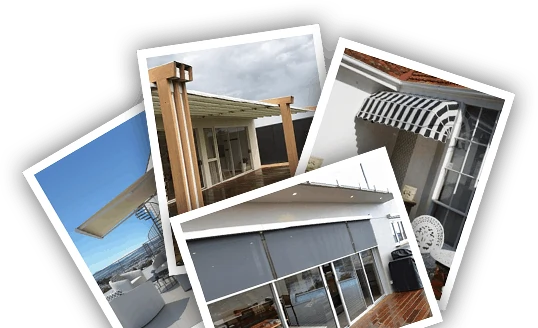
Imagine it’s a bright but windy morning in Melbourne. You’re about to open the door to your cafe, and a gust of wind sends leaves tumbling across the entrance. But instead of scrambling to hold the door or shield your guests from the breeze, a sleek door awning stretches above the doorway, effortlessly protecting the entrance. Paired with elegant cafe blinds, it creates a cozy outdoor nook where customers can linger freely.
Door awnings aren’t just practical, but they also transform entrances. From residential homes to bustling bistros, they offer shade from the harsh Australian sun, shelter from sudden showers, and an inviting aesthetic that immediately enhances curb appeal. When combined with bistro blinds, they can even extend outdoor seating areas, giving both homeowners and cafe owners more usable space.
In this guide, we will explore how the right door awning, complemented with cafe and bistro blinds, can elevate your Melbourne property. You will discover the benefits, design ideas and practical tips that make door awnings an essential feature for style, comfort and functionality.
What Is A Door Awning?
A door awning is a “shade-like” structure which extends from the top of the doorway to shield entrances from weather conditions like sun, rain, snow and wind, providing a head coverage even outdoors along with helping you to enjoy the view outside. Door awnings are both functional and stylish additions to any entrance.
Residential VS Commercial Uses Of Door Awnings
| Residential Uses For residential properties, door awnings are added for creating a welcoming entrance and enhancing the outdoor appearance, while also providing protection from damage due to various weather conditions. | Commercial Uses For commercial uses, door awnings serve both commercial and branding purposes. Door awnings are added in cafes, restaurants, etc. to protect the customers from rain, sun, wind and snow and creating a more comfortable entrance for them, while also upgrading the storefront appearance. |
Door Awnings with Café Blinds (Bistro Blinds) for outdoor comfort
The combination of door awnings and café or bistro blinds are a versatile choice when you are looking for an overhead shelter as well as a vertical protection from various weather conditions like sun, rain, wind and snow. Although door awnings provide shield from such conditions, these can still enter from the sides. Henceforth, this combo creates a great and a comfortable enclosed space offering an additional protection from unpredictable weather conditions throughout the year.
Businesses can also be set up in these spaces as these can be used as waiting areas, meeting rooms while homeowners can create a protected porch or an entry zone.
Cafe blinds also help in reducing wind and glare along with providing you privacy. It blocks the natural light which adds more comfort to the space.
Best Materials for Door Awnings
When selecting the best material for a door awning, you need to balance durability (how long it lasts), translucency (how much light it lets in) and aesthetic (how it matches your home).
In 2026, the trend has shifted heavily toward high-performance materials like Polycarbonate 2.0 and Duranium-enhanced Aluminium, which offer much longer lifespan than traditional canvas.
Here are some of the pros and cons of each material to help you make the better choice for your property.
Polycarbonate – “The Modern & Airy Choice”
If you want a material with high-durability yet a sleek and modern appearance, then polycarbonate is the winner.
Pros of Polycarbonate:
- It has high translucency, meaning it protects you from rain without darkening the entryway.
- It is virtually unbreakable (used in riot shields).
- It is light in weight making it efficient for installation of DIY projects.
- Most panels have a coating which helps in blocking the UV rays while also allowing visible light in.
Cons of Polycarbonate:
- Dirt like dust, pollen and water spots are easily visible from underneath.
- If abrasive metals are used for cleaning, then it can cause scratches.
- It can also make “creaking” noises during extreme shifts in temperature.’
The Cost: Cheap to Budget-Friendly.
Aluminium – “The Indestructible Choice”
Metal like Aluminium is the ultimate choice you can make if you prefer to build a door awning which will last for over three decades.
Pros of Aluminium:
- It is resistant to rusting, increasing it’s longevity and can last up to more than 30+ years.
- Low maintenance.
- It reflects 100% of sunlight which helps in keeping your entryway cooler.
Cons of Aluminium:
- It can be noisy when raindrops or hailstones hit the aluminium door awnings. Even though some find this “charming”, it also can irk others.
- Although it is unbreakable, it can cause dents due to the heavy falling of debris or large hail.
The Cost: Mid-Range.
Performance Fabric (Acrylic or Canvas) – “The Coastal & Classic Choice”
Pros of Performance Fabric:
- It offers multiple varieties of stripes, colours and patterns.
- It is breathable and does not trap heat under the canopy like metallic materials.
- It is flexible in nature, which means it can be retractable (if you buy a retractable model) to let sun in during winter.
Cons of Performance Fabric:
- It requires frequent maintenance and cleaning to prevent mould and mildew build up.
- It is prone to fading. Even high-end fabrics like Sunbrella can fade away after 10-12 years.
- It is fragile in nature as it cannot bear the load of heavy snow or high-velocity wind/branches and can get torn away.
The Cost: Mid-Range to Expensive.
Laminated Glass – “The Luxury Choice”
If you prefer a look that is luminous and luxurious, then glass awnings will be the best option for you.
Pros of Glass:
- It delivers a timeless beauty. It is the premium choice that never goes out of style.
- It is not noisy. It gives you peace and quiet even during rain unlike metal and polycarbonate.
- Glass causes zero warping and never goes yellow like plastic.
Cons of Glass:
- Requires heavy-duty structural mounting; not a simple “screw-into-siding” job.
- Like a window, it needs a squeegee or glass cleaner to look its best.
The Cost: Premium/Expensive.
FIXED VS RETRACTABLE DOOR AWNINGS
The two main types of Door Awnings are Flexible & Retractable.
Fixed Door Awnings are permanent structures meant for the entrance of your doorways. It is sturdy, low-maintenance and tailored to provide constant protection. If you want long-term solutions that does not require adjustments, then fixed awnings are best suited for you. It is best for homeowners and businesses that require constant coverage like doorway entrances, back entrances and storefronts.
BENEFITS OF FIXED DOOR AWNINGS
- Permanent and strong structure
- Low maintenance
- Provides long-term protection from sun, rain, wind and snow
- Can be made from materials like aluminium, polycarbonate, glass or performance fabric.
RETRACTABLE DOOR AWNINGS
Retractable Door Awnings can be extended and retracted according to your needs and the amount of shade or protection you want, as per the weather conditions. It is suitable for those who prefer flexibility and perfect for patios, cafes, restaurants and places where sunlight control is essential.
BENEFITS OF RETRACTABLE AWNINGS
- Adjustable coverage as per the weather conditions
- Can be retracted completely for an unobstructed view
- Is available in manual or motorised options.
Modern Door Awning Design Ideas
In 2026, modern door awnings focuses on minimalism, integrated technology and high-performing materials.
The “Floating” Glass Canopy
This is the ultimate minimalistic look. It is a thick tempered glass held by stainless steel mounts (also known as “spiders”) from the sides, and provides protection without obstructing the view of your door’s architecture. Perfectly suitable for ultra-modern or industrial style homes.
Black Framed Polycarbonate
This is more affordable than the glass material. A clear or slightly tinted (smoke grey) is created into a slim, matte black aluminium frame. It creates a “graphic look” defining your doorway, similar to the popular “Crittall” style windows. It is best suited for modern farmhouses and contemporary suburban homes.
High-Tech & Smart Features
In 2026, modern door awnings often come with high-tech facilities and smart features. Here, we are about to discuss some of it.
Environmental Responsive Sensors are one of the genius high-tech features introduced for modern door awnings. Modern wireless sensors such as Anemometer (wind sensor) like Somfy Eolis 3D, navigate the structural vibrations caused by wind. If the wind increase and reaches the pre-safety threshold, then it automatically retracts to prevent any mechanical failures.
Intelligent systems monitor the intensity and position of the sun and it extends automatically blocking the UV rays by up to 65% and also retracts when the sun sets to maintain views.
Sensors also have the ability to detect any light mist or a heavy storm. It’s like a person in an “umbrella”. It tilts the “umbrella” (referring to the awning) which is the trough position when there is a light mist or a drizzle to protect their shoes from getting wet, but if it rains heavily then the person runs back to his house (closing the cassette) to protect themselves and keep them dry.
Sustainability is a major high-tech driven feature in 2026. Integrated thin-film solar panels on the awning’s cassette or fabric power the motorised arms, which eliminates the need for complex electrical wiring during installation.
Design Aesthetics & Colours
Modern door awning fabrics have evolved from scalloped valances and stripes to vibrant, bold and lively colours like Heritage Green, Royal Blue and Crimson Red adding more life and pleasing visuals to your property. While neutrals like Anthracite Grey, MidnightAubergine and Moody Teal also remain to be in the 2026 colour palette list for modern door awnings.
INSTALLATION PROCESS FOR DOOR AWNINGS
Site Inspection and Measurements – The first step of door awning installation is thoroughly inspecting the area above the door and detecting the wall type such as concrete, timber, brick or cladding for choosing the correct fixing method. Then, the accurate measurements of width, projection and mounting height are calculated to ensure that the awning provides proper coverage and a clear view as well.
Selecting Mounting Position – The ideal mounting position is carefully chosen to ensure maximum protection from sun and rain. Installers always ensure that the awning does not interfere or collide with the door, windows or lighting fixtures. A level is used to mark a straight alignment so the finished installation looks clean, professional and symmetrical.
Marking Drill Points – Once the position is conformed, the bracket positions are marked. The brackets are marked in such a position where it will balance the weight of the awnings and provide a strong structural support so that it does not cause alignment issues during installation.
Drilling and Installing Anchors – After the marking of drilling points, holes are drilled on the walls to insert heavy-duty wall plugs, anchor bolts or chemical anchors.
Mounting Brackets Installation – The brackets are mounted with corrosion-resistant screws or bolts. Each bracket is tightened thoroughly to create a firm support structure so that the awnings remain intact.
Assembling The Awning Frame – If required, the awning frame is assembled on the ground before lifting. This may include connecting support arms, side brackets and canopy panels. Pre-assembly ensures easier installation and reduces the risk of misalignment.
Attaching The Awnings To Brackets – The awnings assembled are then attached to the brackets and tightened with bolts and fasteners.
Securing The Covering Material – The securing material such as canopy, polycarbonate, etc. are fixed to the awning and seals and rubber gaskets are applied where necessary to prevent water penetration. Proper sealing improves durability and weather resistance.
Angle Adjustment (If Applicable) – For adjustable designs, the awning is titled to an angle to provide proper rainwater runoff and shade coverage.
Final Tightening and Safety Check – The bolts, screws and other connections are given a final check, are tightened thoroughly and ensured whether they are capable of handling strong weather conditions or not.
Cleaning and Finishing – Protective films are removed from panels, and the installation area is cleaned. Sealant may be applied along wall joints to create a neat, weatherproof finish and improve longevity.
Final Inspection and Testing – After the complete installation of the awning, a final inspection and testing is conducted by the installers to confirm the functionality, water drainage performance and long-lasting structural support.
MAINTENANCE TIPS FOR DOOR AWNINGS
- Regular Cleaning – Dirt, dust and debris can accumulate over the time, and that’s why it is necessary to clean the awning regular or frequently with mild water and soap to make it look neat, refreshing and polished.
- Check Mounting Brackets – Always check for loose brackets, bolts and other connections and ensure whether they are properly tightened or not.
- Inspect For Damage – Inspecting for minor damages like crack, rust, fabric tears or bent frames early can save you from expensive cost repairs later on.
- Lubricate The Parts – If your awning possesses a retractable system, keep lubricating the parts with silicone spray or any other suitable lubricant from time to time to ensure the smooth functioning of the system and increase it’s longevity.
- Trim Nearby Branches and Trees – Ensure timely trimming of branches and trees nearby to avoid it’s interference with the awning, debris build up or any scratches.
- Avoid Heavy Loads -Avoid hanging heavy loads on the awning as it weaken the structure gradually and can even cause breakage of the brackets.
- Retract During Extreme Weather Conditions (if retractable) – When heavy and extreme weather conditions like heavy storm, heavy rainfall or extreme hailstorms, it is always better to retract the awnings as it can cause serious damage.
WHY CHOOSE MELBOURNE AWNINGS?
Melbourne Awnings provide the kind of retractable shade systems, door awnings, blinds and more which are loved, immensely preferred and trusted by the people of Melbourne. With over 35 years of experience, we have a strong expertise in determining and delivering the exact and suitable type of awnings for your property.
With multiple designs and types of products we provide, it gives you the idea to choose the perfect awning, blinds, etc. for your homes, restaurants, cafes and more.
Choosing Melbourne awnings not only means getting a lot of options, but also we choose to deliver products that are highly durable, stylish, smooth-functioning and also provides a long-lasting weather protection to your property.
We are eagerly looking forward to assist you for your awning project. Reach out to us soon by contacting (03) 9595 9099.
A door awning is a “shade-like” structure which extends from the top of the doorway to shield entrances from weather conditions like sun, rain, snow and wind, providing a head coverage even outdoors along with helping you to enjoy the view outside. Door awnings are both functional and stylish additions to any entrance.
A door awning can benefit in providing shield from various weather conditions, extending door lifespan, protecting the door from any external damage, maintaining indoor temperature, adding appeal to your property and increasing your property value.
Yes, absolutely. Door Awnings are custom made according to the size, style and building architecture. You also have the option of choosing from various fabrics, colours and designs according to your preferences.
Some common materials used for awnings are aluminium frames, acrylic canvas, polycarbonate, glass, water-resistant textiles, PVC-coated fabrics, mesh fabrics, etc.
Yes. Door awnings of Melbourne Awnings are especially designed to withstand the harsh Melbourne weather conditions.
Door awnings are usually installed within few hours.
Yes, door awnings are low maintenance as it requires minimal cleaning, checking of brackets and other connections, removing debris and inspection after storms.
The average cost ranges from $1,200 to $3,600 including materials and labour.