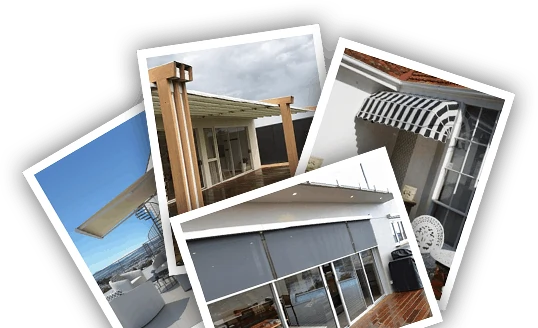
Cafe blinds have become one of the most sought-after outdoor shading solutions for Melbourne homeowners — and it’s easy to understand why. Whether you’re enclosing an alfresco deck in Brighton, sheltering a pergola in Bayside, or protecting a rooftop entertaining area in the inner suburbs, cafe blinds offer a practical, stylish, and surprisingly versatile answer to Melbourne’s unpredictable four-seasons-in-one-day climate. They block wind, reduce UV exposure, provide privacy, and extend the usability of your outdoor space across every season — without permanently closing it off from the view and the fresh air you actually want.
This guide covers everything Melbourne homeowners need to know about cafe blinds in 2026: materials, installation, motorisation, complementary shade systems, maintenance, and the latest design trends. Whether you’re comparing bistro blinds and cafe blinds, weighing up retractable awnings against fixed shade structures, or simply trying to understand what works best for your outdoor room — this is your complete resource.
1. What Are Cafe Blinds?
Cafe blinds are outdoor vertical blinds that roll or slide down to enclose an open pergola, alfresco area, deck, or patio. They’re most commonly made from clear PVC, tinted PVC, or open-weave sunscreen mesh fabric — though higher-end systems now use architectural-grade woven fabrics from brands like Griesser and Weinor that offer superior UV resistance, durability, and aesthetic appeal.
The name comes from their long history in European street cafes, where clear PVC panels were used to keep diners sheltered without sacrificing the open-air atmosphere. In Australia — and in Melbourne particularly — the concept evolved into a core component of outdoor room design. Today’s cafe blinds go far beyond basic PVC sheeting. Modern systems integrate seamlessly with pergola shade structures, motorised controls, and retractable awning systems to create fully functional outdoor living rooms.
Core Features of Modern Cafe Blinds
- Vertical drop installation along pergola or verandah posts
- Available in clear PVC, tinted PVC, or open-weave mesh fabrics
- Manual (rope-and-pulley), spring-assisted, or fully motorised operation
- Track-guided options for superior wind resistance
- Customisable width, drop height, and colour
- Compatible with motorisation systems from Somfy and Becker
2. Why Melbourne Homes Need Cafe Blinds
Melbourne’s climate is one of the most demanding environments for outdoor living in Australia. UV index readings regularly reach 11–12 on summer afternoons — classified as Extreme by the Australian Radiation Protection and Nuclear Safety Agency (ARPANSA) — while summer temperatures can swing 20–25 degrees in a single afternoon with the arrival of a southerly change. Winter brings cold winds off Port Phillip Bay, persistent drizzle, and overnight frosts in outer suburbs.
Without adequate shading and weather protection, Melbourne outdoor rooms become unusable for large parts of the year. Cafe blinds solve this directly: they create a weatherproof barrier that can be deployed in minutes, allowing you to use your alfresco, deck, or pergola in comfort regardless of what Melbourne’s weather is doing.
Key Benefits for Melbourne Homeowners
- UV protection: Block up to 99% of harmful UV radiation when using quality sunscreen mesh fabrics
- Wind shelter: Create a sheltered microclimate that makes outdoor dining and entertaining comfortable year-round
- Rain resistance: PVC cafe blinds repel light to moderate rain, extending alfresco use through autumn and winter
- Privacy: Tinted or opaque lower panels provide ground-level privacy without blocking natural light
- Energy efficiency: Exterior shading reduces solar heat gain through adjacent glazing — external shading is documented as more energy-efficient than interior blinds because it stops heat before it enters the building
- Property value: A well-designed enclosed alfresco adds functional square metres to your home
3. Cafe Blinds vs Bistro Blinds: What’s the Difference?
The terms cafe blinds and bistro blinds are frequently used interchangeably in Australia, and in most practical contexts they refer to the same product category: vertically mounted outdoor blinds designed to enclose alfresco and pergola spaces. The distinction, where one exists, is largely one of application scale and mounting style.
| Feature | Cafe Blinds | Bistro Blinds |
|---|---|---|
| Primary use | Residential pergolas, decks, alfresco areas | Commercial outdoor dining, residential use |
| Typical material | Clear or tinted PVC, mesh fabric | Clear PVC or heavy-duty mesh |
| Operation | Manual roll-up, track-guided, motorised | Manual or motorised track systems |
| Wind resistance | Good to excellent (track-guided systems) | Excellent (commercial-grade tracking) |
| Customisation | High — widths, drops, fabrics, colours | High — often heavier-duty hardware |
| Melbourne suitability | Excellent for residential outdoor rooms | Excellent for restaurants and commercial venues |
At Melbourne Awnings, both cafe blinds and bistro blinds are custom-manufactured to suit the specific dimensions and structural requirements of your outdoor space — whether that’s a compact balcony in St Kilda or a large entertaining pergola in the outer south-east.
4. Material Guide: PVC, Mesh & Acrylic Fabrics
The single most important decision when choosing cafe blinds for a Melbourne home is the material. Get the fabric right, and your blinds will be blocking UV rays, keeping your alfresco comfortable, and maintaining their appearance for well over a decade. Get it wrong, and you could be dealing with yellowing, cracking, or mould within a few years.
Clear & Tinted PVC
Clear PVC cafe blinds are the most traditional option. They provide an unobstructed view through the panel, are easy to clean, and are generally the most affordable starting point. The trade-off is longevity: standard PVC can yellow and lose clarity in Melbourne’s intense UV environment, typically within 5–8 years. Upgraded marine-grade PVC or UV-stabilised formulations extend this considerably.
Tinted PVC panels reduce glare and provide more privacy while maintaining transparency. Bronze, grey, and smoke tints are popular choices for Melbourne homes in 2026.
Sunscreen Mesh Fabrics
Open-weave sunscreen mesh is increasingly the preferred choice for Melbourne’s outdoor blind installations. High-performance fabrics like Outlook Mesh or Soltis — engineered specifically for harsh Australian outdoor conditions — block up to 99% of harmful UV radiation while allowing airflow and maintaining outward visibility. They resist mould, salt air, and UV degradation significantly better than standard clear PVC.The Window Shading Association of Australia (WSAA) recommends specifying fabrics with documented UV Openness Factor ratings and verified resistance to Australian outdoor conditions — particularly for coastal Melbourne properties where salt air accelerates material breakdown.
The Furnishing Industry Association of Australia recommends specifying fabrics with documented UV Openness Factor ratings and verified resistance to Australian outdoor conditions — particularly for coastal Melbourne properties where salt air accelerates fabric breakdown.
Acrylic-Coated & Architectural Fabrics
Premium cafe blind installations increasingly use architectural-grade woven fabrics from manufacturers like Griesser and Weinor. These fabrics combine the airflow benefits of mesh with superior colour stability, structural integrity, and resistance to Melbourne’s demanding UV and weather conditions. They command a higher investment but deliver noticeably better long-term performance.
| Material | UV Resistance | View Through | Airflow | Lifespan (Melbourne) |
|---|---|---|---|---|
| Standard Clear PVC | Moderate | Excellent | Nil | 5–8 years |
| UV-Stabilised PVC | Good | Very Good | Nil | 8–12 years |
| Sunscreen Mesh | Excellent | Good | Good | 10–15 years |
| Architectural Woven Fabric | Excellent | Moderate | Excellent | 12–18 years |
Retractable Awnings & Complementary Shade Systems
Cafe blinds work best as part of a layered outdoor shade strategy. While they handle vertical weather protection and privacy, complementary overhead shading from retractable awnings or fixed pergola structures completes the enclosure and provides protection from Melbourne’s high summer sun angles.
Folding Arm Awnings
Folding arm awnings are the most popular overhead retractable shading choice for Melbourne homes. They extend horizontally to shade a deck or alfresco area without requiring posts, then retract fully when not needed — protecting the fabric from wind damage when stored. The Melbourne Awnings range includes precision-engineered systems including the Aluxor Olympus, Aluxor Stratos, Aluxor Stratos, Aluxor Toga, Aluxor Discus Cassette, and the Helioshade Classic, Helioshade Rubix Cassette, Helioshade Neo Classic, HELIOSHADE CASSETTE, and HELIOSHADE Fabric Cassette folding arm awnings.
Cassette-enclosed models — where the fabric and arms retract into a protective aluminium housing — are particularly well-suited to Melbourne’s environment, as the cassette shields the fabric from UV degradation and dust when the awning is stored.
Helioscreen External Screens
The Helioscreen External Screen and Sideline Retractable Privacy Screen integrate seamlessly with cafe blind installations to provide additional side screening, privacy panels, and sun-angle-specific shading. These systems complement vertical cafe blind panels by addressing oblique sun penetration from low western angles — a common challenge for Melbourne outdoor rooms facing west.
Design Tip: The most versatile Melbourne outdoor rooms combine overhead folding arm awnings with vertical cafe blinds on two or three sides, creating an all-weather enclosure that can be fully opened on fine days or completely sealed during Melbourne’s notorious summer storms.
6. Motorised Outdoor Blinds & Smart Automation
Motorised outdoor blinds represent the fastest-growing segment of Melbourne’s shading market in 2026, and for good reason. Manually operated cafe blinds require physical access to each blind for operation — inconvenient on large alfresco areas and impractical for high-mounted installations. Motorisation removes this limitation entirely.
Motorisation Options Available Through Melbourne Awnings
- Somfy Motorisation: Industry-leading wireless motor systems compatible with Somfy TaHoma and MyLink smart home integration — allowing control via smartphone, tablet, or voice assistant
- Becker Motors: Reliable, Australian-market-proven tubular motors with excellent torque ratings for heavier cafe blind and outdoor blind applications
- Alpha Motors: Cost-effective motorisation for standard-width installations requiring smooth, consistent operation
Smart Automation Features
Advanced motorisation systems from Somfy integrate with sun sensors, wind sensors, and rain detectors — allowing your cafe blinds and retractable awnings to respond automatically to Melbourne’s changeable conditions. A wind sensor, for instance, can automatically retract folding arm awnings before gusts reach damaging speeds — extending the service life of your investment and avoiding manual monitoring during rapid weather changes.
This level of automation is particularly valuable for Melbourne’s inner-suburb properties where unexpected southerly changes can arrive with little warning during summer afternoons.
6. Motorised Outdoor Blinds & Smart Automation
Motorised outdoor blinds represent the fastest-growing segment of Melbourne’s shading market in 2026, and for good reason. Manually operated cafe blinds require physical access to each blind for operation — inconvenient on large alfresco areas and impractical for high-mounted installations. Motorisation removes this limitation entirely.
Motorisation Options Available Through Melbourne Awnings
- Somfy Motorisation: Industry-leading wireless motor systems compatible with Somfy TaHoma and MyLink smart home integration — allowing control via smartphone, tablet, or voice assistant
- Becker Motors: Reliable, Australian-market-proven tubular motors with excellent torque ratings for heavier cafe blind and outdoor blind applications
- Alpha Motors: Cost-effective motorisation for standard-width installations requiring smooth, consistent operation
Smart Automation Features
Advanced motorisation systems from Somfy integrate with sun sensors, wind sensors, and rain detectors — allowing your cafe blinds and retractable awnings to respond automatically to Melbourne’s changeable conditions. A wind sensor, for instance, can automatically retract folding arm awnings before gusts reach damaging speeds — extending the service life of your investment and avoiding manual monitoring during rapid weather changes.
This level of automation is particularly valuable for Melbourne’s inner-suburb properties where unexpected southerly changes can arrive with little warning during summer afternoons.
7. Folding Arm Awnings & Patio Shading
A folding arm awning used in combination with cafe blinds creates what Melbourne architects increasingly call an “outdoor room” — a fully functional alfresco space that performs in virtually any weather condition. The overhead awning handles sun and light rain from above; the cafe blinds manage wind, privacy, and horizontal weather from the sides.
The Helioshade Cocoon Awning takes this concept further, offering a sleek, fully enclosed cassette design that provides total fabric protection and maximum overhead shading in a single integrated system — an elegant solution for smaller decks and balconies where two separate products may be impractical.
For larger Melbourne homes with expansive alfresco areas, the Aluxor Stratos offers projection spans capable of covering substantial entertaining areas, while the Aluxor Discus Cassette provides a fully enclosed cassette housing for maximum fabric protection in Melbourne’s harsh UV environment.
Choosing the Right Patio Awning Projection
- Up to 2.5m projection: Suitable for compact decks and balconies — lighter-duty folding arm models
- 2.5m – 3.5m projection: The most popular range for standard Melbourne alfresco areas
- 3.5m – 5m+ projection: Larger folding arm systems such as the Aluxor Stratos, often motorised
8. Retractable Roof Systems for Melbourne Outdoor Rooms
For Melbourne homeowners who want a permanent outdoor room structure that can open fully on fine days and close completely during inclement weather, a retractable roof system represents the premium end of outdoor shading investment.
Melbourne Awnings offers several leading retractable roof systems, including:
- VARIO PERGOLA Retractable Sunroof: A premium louvred or fabric retractable roof system designed for permanent outdoor room installations
- Varioscreen Retractable Sun Roof: A fabric-based retractable roof providing flexible overhead coverage with drainage-integrated design
- Pergo Arco: An architectural pergola system combining clean structural lines with integrated shading
- Pergo Clima S: A climate-responsive pergola system with integrated heating and lighting options
- Climatika: A fully automated outdoor enclosure system integrating retractable roof, side screens, and climate control into one architectural structure
When paired with cafe blinds on three sides and a retractable roof overhead, these systems create a year-round outdoor room that functions in genuine Melbourne conditions — not just on calm summer evenings.
9. Maintenance, Cleaning & Longevity
Well-maintained cafe blinds in Melbourne can deliver 8–15 years of reliable service, depending on the material specified and the care regime followed. Neglected blinds — particularly PVC panels exposed to Melbourne’s UV without regular cleaning — can deteriorate significantly faster.
Recommended Cleaning Schedule
- Every 3–4 months (standard Melbourne conditions): Wipe PVC panels with a soft cloth or sponge dampened with mild soapy water. Rinse thoroughly and allow to air-dry before retracting.
- Monthly (coastal Melbourne — Bayside, Brighton, St Kilda): Salt air accelerates surface residue buildup. Increase cleaning frequency and inspect fixings and tracks for corrosion.
- Annually: Inspect all hardware — fixings, tracks, pulleys, and motorisation components. Lubricate tracks with a silicone-based lubricant (never petroleum-based products on PVC or fabric panels).
- After major weather events: Check for any debris lodged in tracks, inspect fixings for stress, and verify motorised systems are operating correctly.
Extending Cafe Blind Lifespan
- Retract blinds during extreme wind events — even track-guided systems have rated wind limits
- Avoid storing PVC blinds in a rolled position while wet — this can promote mould growth on the inner surface
- Use UV-protective sprays designed for PVC on clear panel blinds to slow yellowing
- For mesh fabric blinds, a soft brush and low-pressure garden hose rinse is sufficient for routine cleaning — avoid high-pressure washers that can damage the fabric weave
The Australian Building Codes Board recommends that all external shade structures be maintained in accordance with manufacturer specifications to ensure compliance with structural performance requirements under Australian Standard AS/NZS 1170.2 and relevant sections of the National Construction Code.
10. Outdoor Blind & Awning Trends for 2026
The Melbourne outdoor shading market in 2026 is defined by a clear set of preferences: clean architectural lines, motorisation as standard, smart home integration, and minimal visual disruption when shading systems are retracted or stored.
What’s Leading in 2026
- Cassette-enclosed awnings: Cassette models like the Helioshade Rubix Cassette and Aluxor Discus Cassette that fully enclose fabric when retracted — protecting the investment and delivering a cleaner architectural look
- Motorisation as standard: Even entry-level cafe blind installations are increasingly being specified with motorisation — the marginal cost difference is small; the convenience improvement is significant
- Neutral and warm tones: Sandy beiges, warm greys, and natural linen tones dominate Melbourne fabric selection — moving away from bright stripes and bold colour blocking
- Integrated outdoor rooms: Combining retractable roofs, vertical cafe blinds, and heating or lighting into a single cohesive outdoor room — rather than adding individual products reactively
- Gaviota and Weinor systems: European-engineered precision systems increasingly specified by Melbourne architects for premium residential projects
What’s Fading
- Bright striped awning fabrics — replaced by solid or subtly textured neutral tones
- Exposed fabric awnings without cassette protection — creating maintenance and UV degradation issues
- Standard manual-only operation on large alfresco installations — motorisation expectation is now standard
- Interior curtains used as outdoor privacy solutions — homeowners are moving to proper external shading systems
11. Installation Considerations for Melbourne Properties
Cafe blind installation in Melbourne requires consideration of the specific structural, climatic, and planning requirements relevant to your property. Professional installation — as opposed to DIY — is strongly recommended for all motorised systems and any installation involving structural fixings to masonry, steel, or timber framing.
What Professional Installation Involves
- Site assessment of structural fixing points — pergola posts, wall headers, fascia beams
- Measurement for custom blind panel sizing — ensuring weathertight fit with minimal gap tolerance
- Track alignment for track-guided systems — critical for wind performance and smooth operation
- Motorisation wiring and testing — including integration with smart home systems where applicable
- Final commissioning — testing all panels across full travel range and verifying fixings under load
Building Permit Considerations
In most Melbourne residential applications, the installation of cafe blinds to an existing pergola structure does not require a separate building permit — however, the installation of a new pergola structure or significant structural modifications may require approval from your local council. Melbourne Awnings’ team can advise you on the permit implications relevant to your specific project during the initial consultation.
For further guidance on Victorian building permit requirements, the Victorian Building Authority (VBA) maintains current information on residential building work thresholds and permit requirements.
Custom vs Off-the-Shelf
Custom-manufactured cafe blinds — sized precisely to your outdoor space — outperform off-the-shelf alternatives in every measurable dimension: weather resistance, appearance, fit, and longevity. Melbourne Awnings manufactures and installs custom outdoor blinds, ensuring every panel fits its opening precisely and integrates correctly with the supporting structure.
12. Frequently Asked Questions About Cafe Blinds
How long do cafe blinds last?
Quality cafe blinds installed in Melbourne typically last between 8 and 15 years, depending on the material, UV exposure, cleaning frequency, and wind conditions. PVC cafe blinds may yellow or crack over time in intense sun, while high-performance mesh or acrylic-coated fabrics from brands like Griesser and Weinor can maintain their appearance and structural integrity well beyond a decade with proper care.
What are cafe style blinds?
Cafe style blinds are clear or tinted PVC or mesh outdoor blinds that roll down vertically to enclose a pergola, alfresco, deck, or outdoor dining area. They allow light and views through while blocking wind, rain, UV rays, and insects. Originally popularised in European street cafes — hence the name — cafe blinds are now a staple of Australian outdoor living, particularly for Melbourne’s unpredictable four-seasons climate.
What is better, Ziptrak or Zipscreen?
Both Ziptrak and Zipscreen are track-guided outdoor blind systems designed for wind resistance, but they differ in design and application. Ziptrak uses a spring-balanced track system requiring no ropes or zips, allowing smooth one-touch operation and strong wind retention. Zipscreen relies on a zip-guided track system for similar wind resistance with a slightly different aesthetic profile. The better choice depends on your pergola structure, fabric preference, and motorisation requirements — Melbourne Awnings can advise which suits your specific outdoor space.
What is the newest trend in blinds?
In 2026, the dominant trends in outdoor blinds and cafe blinds are motorisation and smart home integration. Homeowners are choosing motorised outdoor blinds controlled via smartphone apps, voice assistants, or sun sensors — particularly systems from Somfy and Becker. Minimalist cassette designs like the Helioshade Rubix Cassette and Aluxor Discus Cassette are also trending, offering clean architectural lines with full weather protection when retracted.
What is the best way to clean cafe blinds?
For PVC cafe blinds, use a soft cloth or sponge with mild soapy water and rinse thoroughly. Avoid harsh chemical solvents or abrasive pads that can scratch or cloud the PVC surface. For mesh or fabric cafe blinds, a soft brush and low-pressure hose rinse works well. Clean your cafe blinds every 3–4 months in Melbourne’s standard environment, and monthly if installed near the coast where salt air accelerates residue buildup.
What blinds are in style in 2026?
In 2026, Melbourne homeowners are gravitating toward motorised outdoor blinds, retractable pergola roof systems, and integrated shade-and-blind combinations. Neutral-toned sunscreen mesh blinds, cassette-enclosed folding arm awnings, and retractable roof systems like the VARIO PERGOLA and Climatika are leading the aesthetic direction — blending seamlessly into modern architectural outdoor rooms.
What are some outdated curtain trends to avoid?
For outdoor spaces specifically, heavy draped curtain-style shade panels and brightly patterned fabric blinds have fallen out of favour in 2026. Melbourne homeowners are replacing these with sleek, retractable mesh blinds, cafe blinds, and cassette awning systems that offer better weather performance, cleaner aesthetics, and longer service life — without the maintenance burden of fabric drapes exposed to the elements.