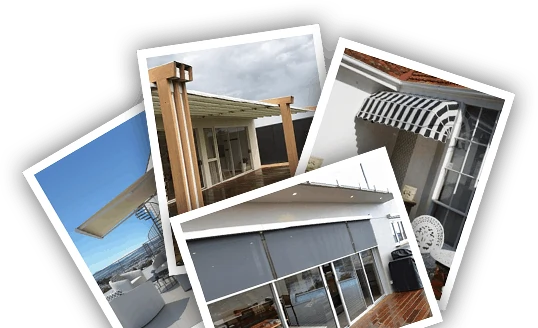
For Melbourne homeowners, domestic awnings have shifted from a simple shade solution into a serious lifestyle upgrade. Melbourne’s climate throws everything at residential properties – blazing UV-heavy summers, sudden storms, and cool southerly winds. A quality domestic awning in Melbourne handles all of it while improving street appeal and cutting energy costs. Yet many homeowners still confuse residential-grade awnings with commercial systems. The two differ considerably in structure, materials, compliance requirements, and long-term cost. Understanding those differences helps you make a smarter investment, whether you are refreshing an existing home, undertaking a full renovation, or improving a rental property.
This guide covers everything you need. It addresses fabric choices for Melbourne conditions, realistic installation costs, Australian standards compliance, motorised system options, and practical maintenance schedules. It also explains clearly what separates a domestic awning from a commercial one, so you never overpay for unnecessary engineering, or underbuy and regret it in two years.
Quick Answer: Domestic awnings are purpose-built for residential use. They balance aesthetics, practicality, and budget. Commercial awnings are heavier-duty, built for constant public exposure, and often require engineering certification. Most Melbourne homes need domestic-grade systems, installed by a licensed local supplier.
| Domestic Awnings | Commercial Awnings |
| Structural Grade | |
| Moderate load rating. Suited to residential spans. | Heavy-duty. Built for wide spans and constant exposure. |
| Fabric Type | |
| Solution-dyed acrylic, PVC-coated poly, mesh weaves. | Heavy-duty canvas, reinforced PVC, industrial mesh. |
| Engineering Certification | |
| Rarely required for standard residential spans. | Often mandatory. Council permits common. |
| Installation Cost | |
| Generally lower. Reflects residential scope. | Significantly higher. Larger systems, more compliance. |
| Typical Warranty | |
| 2 to 5 years fabric; 5 to 10 years frame. | Varies widely. Often shorter on fabric due to heavy use. |
| Aesthetic Focus | |
| High. Colour, style, and facade integration matter. | Moderate. Branding and durability take priority. |
| Ideal Use | |
| Homes, townhouses, units, rental properties. | Cafes, retail frontages, office buildings, carparks. |
Furthermore, the terminology sometimes misleads. A residential awning supplier in Melbourne may list commercial products in their catalogue. Always clarify the product grade before purchasing. Ask specifically whether the system is rated for domestic or commercial loading, and whether it carries the relevant Australian compliance documentation.
Types of Awnings Suited to Residential Properties in Melbourne
Melbourne’s diverse housing stock, from Federation bungalows in Elsternwick to contemporary townhouses in Brunswick, means there is no single awning style that suits every home. However, several residential awning types consistently perform well across Melbourne’s varied architecture and climate conditions.
Retractable Awnings
Among homeowners, retractable awnings remain the most popular domestic choice in Melbourne. They extend when shade is needed and retract during wind or rain. Consequently, fabric lasts longer because it is not permanently exposed. Retractable awnings suit alfresco areas, decks, and north-facing windows particularly well. Projection depths typically range from 1.5 metres to 4 metres for residential applications.
Folding Arm Awnings
Folding arm awnings extend over outdoor areas without requiring front support posts. This makes them ideal for entertaining areas where unobstructed views and open space are priorities. Their articulated arms fold back flat against the wall when retracted. Melbourne homeowners frequently choose folding arm awning systems for rear pergola areas and north-facing entertaining zones.
Fixed Awnings
Fixed awnings are permanently mounted and require no operation. They deliver consistent shade and rain protection year-round. However, because they cannot retract, fabric selection is critical. In Melbourne’s climate, a high-UV-rated, water-resistant fabric is non-negotiable for fixed systems. Fixed awnings work well on east and west-facing windows that receive direct morning or afternoon sun.
Patio Awnings
Patio awnings create defined outdoor living zones. They are particularly popular in Melbourne’s inner-east and south-east suburbs, where block sizes encourage alfresco dining. Patio awning systems can be fixed or retractable. Many homeowners combine patio awnings with outdoor blinds for three-season usability.
Outdoor Blinds
Outdoor blinds complement awnings by providing side protection from wind, glare, and horizontal rain. They are increasingly common in Melbourne renovations. Used alongside a retractable awning, they create an outdoor room effect that adds genuine liveability to the property year-round. Explore outdoor blind options to pair with your domestic awning system.
Custom Awnings
Heritage properties, irregular facades, and architecturally designed homes often require bespoke solutions. Custom awning systems are measured, fabricated, and installed to exact specifications. Consequently, they integrate seamlessly with the existing architecture rather than looking like an afterthought.
Choosing the Right Fabric for Melbourne’s Unpredictable Weather
Fabric choice is one of the most important decisions in a domestic awning installation. Melbourne’s climate complicates this choice significantly. Summers bring intense UV radiation with temperatures frequently exceeding 35 degrees Celsius. Winters deliver rain, low-angle sun, and persistent south-westerly winds. Therefore, the best domestic awning fabric for Melbourne must handle UV, moisture, wind stress, and thermal cycling simultaneously.
Verified Fact – Australian Radiation Protection and Nuclear Safety Agency (ARPANSA)
Australia has some of the highest UV radiation levels in the world. The ARPANSA advises that UV levels can reach Extreme (11+) on the UV Index during Melbourne summers. Awning fabrics with a UPF 50+ rating block more than 98% of UV radiation, making fabric rating a critical health and comfort factor, not just an aesthetic one.
Solution-Dyed Acrylic
Solution-dyed acrylic is widely regarded as the best domestic awning fabric for Australian conditions. The dye penetrates the fibre during manufacturing rather than coating the surface. As a result, colours remain vibrant even after years of UV exposure. The fabric also resists mould, mildew, and moisture effectively. Additionally, it retains structural integrity through Melbourne’s temperature swings.
PVC-Coated Polyester
PVC-coated polyester provides superior waterproofing and is often used in fixed awning applications. It suits areas requiring full rain protection rather than breathability. However, it can trap heat compared to acrylic weave fabrics. Furthermore, PVC fabrics may crack in cold conditions if not specified correctly for Melbourne winters.
Shade Mesh Fabrics
Open-weave shade mesh provides solar shading while allowing airflow. This fabric is popular for domestic awnings over pergolas and outdoor rooms where full waterproofing is less critical than ventilation. Shade factors typically range from 70% to 95%, depending on the weave density.
Ultimately, the right fabric depends on the specific application. A north-facing alfresco area benefits from solution-dyed acrylic’s balance of UV protection and breathability. A covered entry exposed to Melbourne’s westerly rain events may warrant PVC-coated polyester for its waterproofing. Consult a residential awning supplier in Melbourne who can assess orientation, exposure, and architectural context before recommending fabric.
What Domestic Awning Installation in Melbourne Actually Costs
Cost is consistently the most common question among Melbourne homeowners researching domestic awnings. Pricing varies based on awning type, fabric grade, motorisation, span size, wall substrate, and installer experience. Providing a single figure would be misleading. Instead, the ranges below reflect realistic market pricing for quality domestic awning installations in Melbourne.
Pricing Disclaimer
All pricing figures below are indicative estimates based on publicly available Australian market data current as of June 2026. Actual costs vary significantly depending on project scope, materials selected, installation complexity, and supplier. Always obtain a written quote from a licensed Melbourne awning installer before committing. Prices exclude GST unless stated.
Indicative Price Ranges for Melbourne (June 2026)
- Retractable folding arm awning (manual, 3m x 2.5m): Approximately $1,800 to $3,500 installed
- Retractable folding arm awning (motorised, 4m x 3m): Approximately $3,500 to $6,500 installed
- Fixed window or door awning (per unit): Approximately $400 to $1,200 installed
- Patio awning (large span, fixed or semi-fixed): Approximately $2,500 to $8,000 installed
- Custom or heritage-specific awning: Priced on application
- Motorisation upgrade (Somfy or equivalent): Approximately $500 to $1,500 additional
Several factors drive pricing above or below these ranges. Complex wall substrates, such as heritage brick, render, or lightweight steel frames, require specialised fixings and add to labour time. Additionally, larger spans demand stronger cassette extrusions and heavier-grade arms, both of which increase material costs. Wind sensors and smart-home integration also add to the final price but significantly improve usability.
Importantly, the cheapest quote is rarely the best value. A poorly installed domestic awning in Melbourne’s wind-exposed conditions can fail structurally, void warranties, and damage the building facade. Choose an installer with a demonstrable local track record and proper trade licensing.
Motorised Domestic Awnings: Are They Worth It for Melbourne Homes?
Motorisation has become one of the most requested features in residential awning installations across Melbourne. The convenience factor alone justifies the upgrade for many homeowners. However, motorised domestic awnings deliver practical benefits beyond simple convenience.
Wind sensors, for instance, automatically retract the awning when wind speeds exceed a set threshold. This protects both the fabric and the wall fixings from damage. Melbourne’s notorious southerly busters and spring squalls make this feature particularly valuable. Without automatic retraction, a single unexpected storm can damage a manually operated awning beyond repair.
Furthermore, motorised systems with sun sensors can automatically extend the awning when solar intensity reaches a set level. This is especially useful for north-facing rooms where occupants frequently forget to extend the awning manually in the morning, allowing heat to build before they notice.
Smart-home integration is now available through systems like Somfy TaHoma and Rollixo. These allow motorised awnings to be controlled via a smartphone app or integrated with Google Home and Amazon Alexa. For new builds and high-end renovations in Melbourne, this level of integration is increasingly standard rather than exceptional.
Key Consideration: Always check whether the motor brand used by your Melbourne awning installer offers local service and warranty support. Imported motors without Australian representation can leave you without recourse if the motor fails within the warranty period.
Explore the full range of motorised awning options in Melbourne to see what suits your home, lifestyle, and budget best.
Australian Standards for Domestic Awnings and What They Mean for Melbourne Homeowners
Compliance with Australian standards is one area where many homeowners lack clarity. The question of whether domestic awnings require certification, permits, or inspections comes up frequently on renovation forums and is often answered inconsistently by tradespeople.
The relevant Australian standard governing the design and installation of awnings is AS 3959 (Construction of buildings in bushfire-prone areas) where applicable, alongside state-specific building regulations under the National Construction Code (NCC). The Australian Building Codes Board (ABCB) publishes the NCC and provides guidance on what constitutes exempt development versus notifiable building work.
In Victoria, most standard domestic awning installations on residential properties fall under exempt building work. This means no building permit is required, provided the installation meets specific size and setback criteria under the Building Regulations 2018 (Vic). However, several circumstances trigger permit requirements:
- Heritage overlays on the property or street
- Awnings projecting over a public footpath or council land
- Strata or body corporate-managed buildings
- Unusual spans requiring engineered certification
- Installations in Bushfire Management Overlay zones
Additionally, the Victorian Building Authority (VBA) requires all structural building work to be performed by a registered building practitioner. Confirm your Melbourne awning installer holds the appropriate VBA registration before work begins.
It is also worth noting that the history and structural classification of awnings has evolved significantly. Modern domestic awning systems are now engineered to specific wind load ratings that reflect local weather data, including Melbourne’s recorded wind events.
Using Awnings for Weatherproofing Your Melbourne Home
Weatherproofing is a practical driver behind many domestic awning installations in Melbourne. Beyond shade and aesthetics, a well-chosen awning system protects windows, doors, and outdoor furniture from Melbourne’s harsh UV exposure, heavy autumn rain, and summer heat radiation.
The passive cooling effect of external shading is particularly significant. Research consistently shows that shading glazed areas from the outside is far more effective than internal blinds or curtains. External awnings intercept solar radiation before it passes through the glass. Consequently, less heat enters the building, and air conditioning systems work less hard. This directly reduces energy bills during Melbourne’s peak summer months.
Fixed awnings over west-facing windows are especially effective. Melbourne’s afternoon sun, arriving from the north-west in summer, drives significant heat into west-facing rooms. A fixed awning at the correct projection angle blocks direct sun during the hottest afternoon hours while allowing diffuse winter sun when the angle is lower and warming the interior naturally.
Additionally, awnings extend the usable outdoor season in Melbourne. Spring and autumn evenings, often interrupted by light rain, become fully enjoyable with a retractable awning overhead. Combined with outdoor blinds on one or two sides, the alfresco area functions year-round rather than only on clear summer days.
Verified Fact – Your Home’s Passive Design (yourhome.gov.au)
The Australian Government’s YourHome technical manual confirms that external shading is the most effective way to manage solar heat gain through glazing. Awnings positioned correctly for Melbourne’s latitude and sun angles can reduce summer heat entry through windows by up to 90%, significantly outperforming internal blinds.
Domestic Awnings as Part of a Melbourne Home Renovation
Renovation projects increasingly incorporate domestic awnings as a planned element rather than an afterthought. Melbourne architects and renovation builders now regularly specify awning systems at design stage, particularly for alfresco extensions, rear additions, and deck builds.
There are several compelling reasons for this shift. First, awnings integrated during construction allow concealed wiring for motorisation, eliminating surface-mounted conduit on finished facades. Second, frame colours and fabric palettes can be coordinated with cladding, joinery, and render finishes during the selection process rather than trying to match them post-completion.
Heritage property renovations in Melbourne’s inner suburbs present a specific challenge. Many homes in Prahran, South Melbourne, Fitzroy, and Hawthorn carry heritage overlays or neighbourhood character provisions. In these cases, a custom domestic awning approach is essential. The awning profile, colour, and attachment method must respect the building’s historical character while delivering modern performance.
For new builds, domestic awnings contribute to NatHERS energy ratings. Shading devices that demonstrably reduce summer heat gain can improve a home’s thermal performance score, which is increasingly important under Victoria’s updated residential building regulations.
Consulting a residential awning supplier in Melbourne early in the renovation planning process ensures the awning system is specified correctly and avoids costly modifications after construction is complete.
A Practical Domestic Awning Maintenance Schedule for Melbourne Conditions
Even the highest-quality domestic awning in Melbourne will underperform and fail prematurely without a consistent maintenance routine. Fortunately, the required maintenance is neither technically demanding nor time-consuming. A structured annual schedule keeps the system performing at its best and extends fabric and frame life considerably.
Every Three Months
- Visually inspect fabric for mould, mildew, bird droppings, or leaf debris buildup.
- Rinse fabric surface with clean water to remove surface dust and pollen.
- Check that the awning extends and retracts smoothly without unusual resistance.
- Inspect arm springs for any sign of fatigue or unusual noise during extension.
Every Six Months
- Clean fabric with a mild soap solution and a soft brush. Avoid bleach-based cleaners on acrylic fabrics.
- Inspect all wall fixings and brackets for looseness, rust, or movement.
- Check motorised units for correct operation and test wind sensor if fitted.
- Clear the cassette housing of any insect nests or debris accumulation.
Annually
- Apply a light silicone lubricant to all pivot points, hinges, and guide rails.
- Inspect fabric for UV degradation, fraying at seams, or waterproofing deterioration.
- Test all motorised functions including remote, app control, and wind/sun sensors.
- Book a professional inspection if the awning is over five years old or has experienced a storm event.
Melbourne-Specific Tip: Always retract your domestic awning before a predicted storm or wind event. Melbourne’s Bureau of Meteorology alerts for wind gusts exceeding 50 km/h are a reliable trigger for retraction. Even wind-rated awnings benefit from being retracted during severe weather to preserve fabric tension and arm alignment.
Consistent maintenance significantly extends the functional lifespan. A well-maintained quality domestic awning in Melbourne realistically delivers 12 to 15 years of reliable service before fabric replacement becomes necessary. Neglected systems may require fabric replacement in as little as five to seven years.
Understanding Domestic Awning Warranties in Australia
Warranty terms vary significantly among domestic awning suppliers in Melbourne. Understanding what is and is not covered protects homeowners from unexpected out-of-pocket expenses after installation.
Most reputable Australian awning manufacturers split warranties into two categories: frame and fabric. Frame warranties typically run five to ten years on aluminium extrusions and cassettes. However, they usually exclude damage from improper use, storm events, or installations that deviate from the manufacturer’s fixing specifications.
Fabric warranties generally run two to five years. Factors that commonly void fabric warranties include:
- Failure to retract the awning during wind events exceeding the rated threshold
- Use of bleach or solvent-based cleaners on acrylic fabrics
- Leaving the awning extended during sustained rain without the fabric drying properly afterward
- Installation in a wind-load zone exceeding the product’s certified rating
Additionally, Australia’s consumer protection framework provides important baseline protections. Under the Australian Consumer Law (ACL), goods must be of acceptable quality, fit for purpose, and match their description regardless of any written warranty. This means a domestic awning that fails prematurely due to a manufacturing defect may attract ACL remedies even outside the formal warranty period.
Always request warranty documentation in writing before installation. Ask specifically what voids the warranty, what the claims process involves, and whether the installer or the manufacturer handles warranty service directly.
Installing Domestic Awnings on Melbourne Rental Properties
Rental properties in Melbourne increasingly feature domestic awnings as landlords respond to tenants’ demand for improved outdoor living, thermal comfort, and energy efficiency. The installation process for rental properties involves a few additional considerations compared to owner-occupied homes.
First, building approval requirements remain identical. If the proposed awning requires a building permit in the relevant Melbourne council area, the permit applies regardless of whether the property is owner-occupied or tenanted. Secondly, while landlord consent is the primary requirement for structural additions, some strata properties additionally require body corporate approval before installation.
From a tenancy perspective, the Consumer Affairs Victoria guidelines provide specific guidance on rental property modifications. Landlords are not required to seek tenant approval for standard maintenance or improvements to the property. However, best practice involves notifying the tenant of planned works and agreed access times.
Finally, domestic awnings on rental properties can contribute to a better energy efficiency rating, which is increasingly relevant to rental property compliance as Victoria moves toward minimum rental standards covering thermal performance.
Frequently Asked Questions About Domestic Awnings in Melbourne
The following questions reflect the most common homeowner concerns about domestic awnings, drawn from Melbourne renovation forums, Quora discussions, Reddit threads, and Google People Also Ask data.
Domestic awnings are designed for residential environments. They prioritise aesthetics, manageable load ratings, and homeowner-friendly operation. Commercial awnings handle heavier public exposure, wider spans, and often require engineering certification and council permits. Structural specifications, fabric grades, and warranty terms differ significantly between the two product categories.
Yes, generally. Domestic awnings use lighter-grade components, cover smaller spans, and involve simpler engineering. However, premium residential motorised systems can approach entry-level commercial pricing. Always compare like for like when reviewing quotes.
Reputable Australian domestic awning suppliers typically offer two to five years on fabric and five to ten years on frame components. Always request warranty terms in writing and clarify exactly what actions or conditions void the warranty before signing off on the installation.
Yes. Many Melbourne awning companies service both residential and commercial clients. Choosing a supplier with cross-sector experience often results in better domestic installations, because they bring a deeper understanding of structural limits, compliance pathways, and long-term fabric performance.
With consistent maintenance, quality domestic awnings in Melbourne typically last 10 to 15 years. Fabric may need replacement every 8 to 12 years depending on UV exposure, cleaning frequency, and whether the awning is retracted appropriately during storm events.
Most standard residential awnings do not require engineering certification. However, heritage properties, unusual spans, strata buildings, or specific council zones in Melbourne may require a building permit or engineering review. Always check with your local council and the Victorian Building Authority before proceeding.
Annual maintenance includes fabric cleaning with mild detergent and a soft brush, frame inspection for rust or corrosion, checking motorised components and remote function, lubricating pivot points and guide rails, and retracting the awning during severe Melbourne weather events.
For most Melbourne homeowners, yes. Motorised systems offer genuine convenience, wind-sensor automation that protects the awning during storms, and longer fabric life due to consistent retraction habits. The price premium typically ranges from $500 to $1,500 above a manual equivalent, depending on span and motor specification.
Several reputable manufacturers produce awnings suited to Australian conditions. The best choice depends on fabric UV rating, frame warranty, local installer support, and whether the product carries Australian compliance documentation. Ask your Melbourne supplier which brands they install and what after-sales support they provide directly.
Yes. Landlords frequently install awnings on Melbourne rental properties to improve tenant comfort and energy efficiency. Standard building permit requirements still apply where relevant. For strata properties, body corporate approval may also be necessary before installation begins.
Look for fabrics with a minimum UPF 50+ rating and strong water resistance. Solution-dyed acrylic performs exceptionally well in Melbourne’s UV-intense summers and wet winters. Always ask your supplier for fabrics tested under Australian climate conditions and confirm the fabric’s mould-resistance rating.
Many standard domestic awning installations in Victoria fall under exempt development. However, heritage overlays, strata properties, or specific council-controlled zones may require a planning or building permit. Use the Victorian Building Authority’s free online permit checker and confirm directly with your local Melbourne council before installation.
Lead times vary by supplier and product. Standard domestic awning installations typically take two to six weeks from confirmed order to installation, depending on fabric availability and the supplier’s current booking schedule. Custom and motorised systems may take longer. Always confirm lead times before committing.
DIY awning installation is possible for very small, lightweight window awnings. However, larger retractable or folding arm systems require precise wall fixing into structural substrates. Incorrect installation voids warranties, risks structural failure in wind events, and may breach Victorian building regulations. Professional installation is strongly recommended for any retractable domestic awning in Melbourne.
Final Thoughts: Getting Your Domestic Awning Decision Right in Melbourne
Choosing the right domestic awning for your Melbourne home involves more than picking a colour and a fabric. It means understanding the difference between residential and commercial-grade systems, selecting a fabric suited to Melbourne’s demanding climate, budgeting accurately for installation and long-term maintenance, and working with a licensed local installer who can navigate compliance requirements confidently.
The good news is that Melbourne homeowners are spoiled for quality. The city has a mature awning industry with experienced residential specialists who understand local architecture, council requirements, and climate performance demands. Furthermore, domestic awnings have become genuinely versatile products. Whether the goal is passive cooling, extended alfresco living, heritage renovation integration, or smart-home connectivity, there is a domestic awning system specifically suited to the task.
Ultimately, the most common homeowner regret in this category is not the investment itself. Instead, it is either underspecifying the product to save money upfront, or choosing a supplier based purely on price without considering installation quality or warranty support. Both mistakes cost more in the long run than choosing correctly from the start.
Melbourne Awnings has been serving residential clients across Melbourne for many years. The team brings expertise across retractable awnings, folding arm awnings, fixed awnings, patio awnings, motorised systems, outdoor blinds, and fully customised solutions. Start the conversation today and get the domestic awning your home genuinely deserves.